At the beginning of the year, when President Trump took office, he announced massive budget cuts to the National Park Service (NPS) which is part of the Department of the Interior. The Department of Government Efficiency (DOGE) further cut funds and positions from the National Park Service in the name of “eliminating waste and inefficiency.” There is no doubt that such cuts would greatly hamper the parks, but what does the hard data actually look like? How did the budget cuts affect the National Parks? Here are the numbers and specifics from an NPS report.
Overall Problems
The funding cuts caused many parks to resort to mass layoffs in order to stay afloat. Additionally, hiring delays further crippled the National Park Service as they could not replace those who had been fired. According to the National Parks Conservation Association (NPCA), the NPS lost a whopping 24% of its permanent staff since January of 2025. The loss of nearly a quarter of all of their personnel has resulted in significant problems for our National Parks. At parks that charge for admission, there are less people to collect the fee. The absence of Park Rangers, biologists, ecologists, and all sorts of scientists and researchers forced educational programs to be shrunk or wholly disbanded. Emergency services and first responders have been stretched thin and have experienced reduced accessibility.
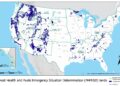
In the report from July, the NPS stated that approximately 90 national parks suffered from problems that had to do with decreased staffing, decreased funding, and delayed hiring. Almost 70 parks reportedly had to decrease the hours their visitor centers could be open. 22 parks had to delay critical maintenance or entirely cut maintenance hours. A number of facilities across 11 parks had to be completely closed.
On the ground
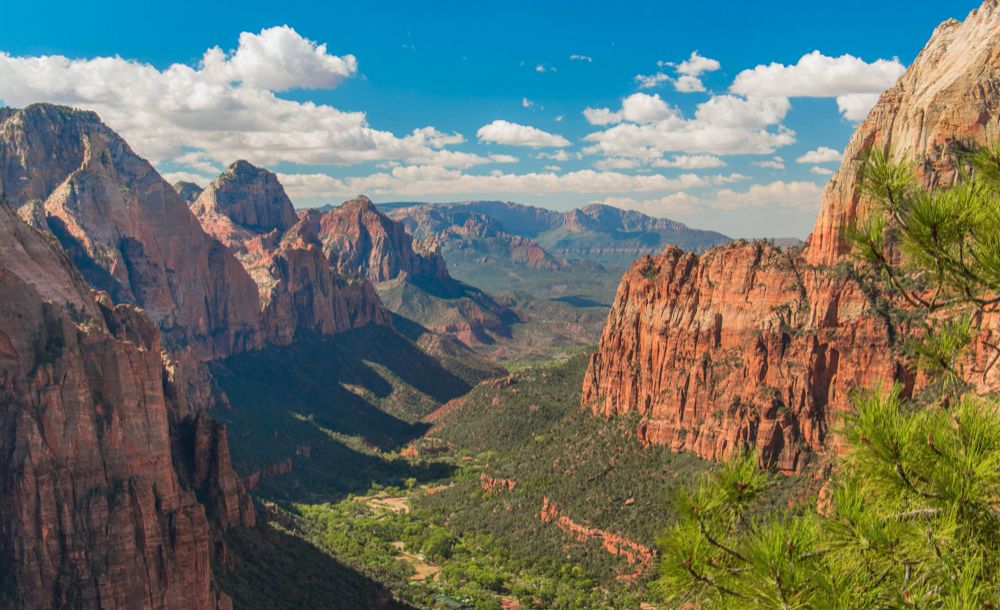
There are many examples and instances of the results of the cuts laid out in the NPS report and shared by NPS workers. Famously, near the start of the budget cuts, the only Wilderness EMT for the Devils Postpile National Monument, located in the Sierra Nevada Mountains of California, was let go. In Maine, Acadia National Park had to close entrance booths which led to longer wait times and less operating hours. Arches National Park in Utah stopped all Ranger-led educational programs. At Zion National Park, concession and entrance booths also had to be closed as they did not have enough people to fill them. Additionally, all hazard responders, including law enforcement, search and rescue, emergency medical services, and wildland firefighters, had a reduced capacity to respond to emergencies.
These complications pose a serious increase in danger for visitors, especially considering that Zion is the second most visited national park (over 5 million visitors in 2024) as the NPS report points out. Cumberland Island National Seashore in Georgia was left with one person left on their fire management team. In Alaska, Denali National Park cancelled multiple summer programs, science camps, and reduced ranger station hours. These are just a few examples of how the nation’s National Parks are struggling through the funding cuts. It also didn’t help that the parks were left with a reduced budget right before the peak season during the summer. In order to quell these concerns, the Trump Administration promised to hire at least 8,000 seasonal workers to help alleviate the strain that the parks were going to feel during the summer months. They only just filled over half of those positions.
What’s next?
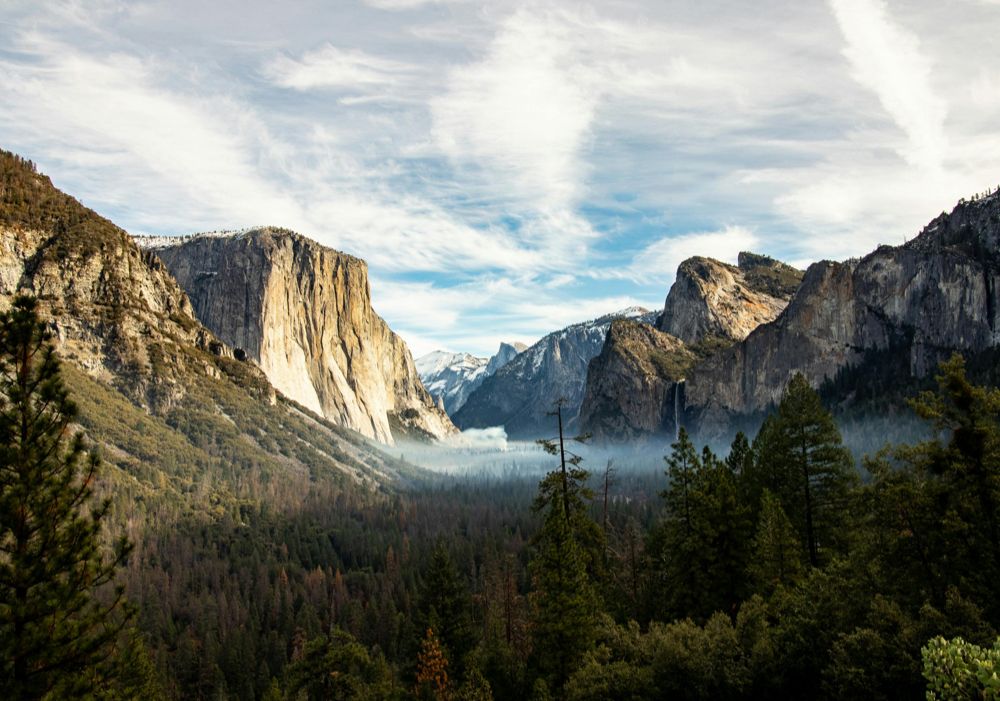
The future of our National Parks, to put it simply, is uncertain. It is clear that many of them have suffered from this year’s funding cuts but it seems the suffering will not end. In the midst of one of the longest government shutdowns in United States history, the parks, being considered a “non-essential” program, are completely without any federal employees. This includes rangers, scientists, and many other crucial roles. Even illegal activities, like base jumping in Yosemite National Park, are springing. Uncertainty, even for our parks, may just become the new norm.